
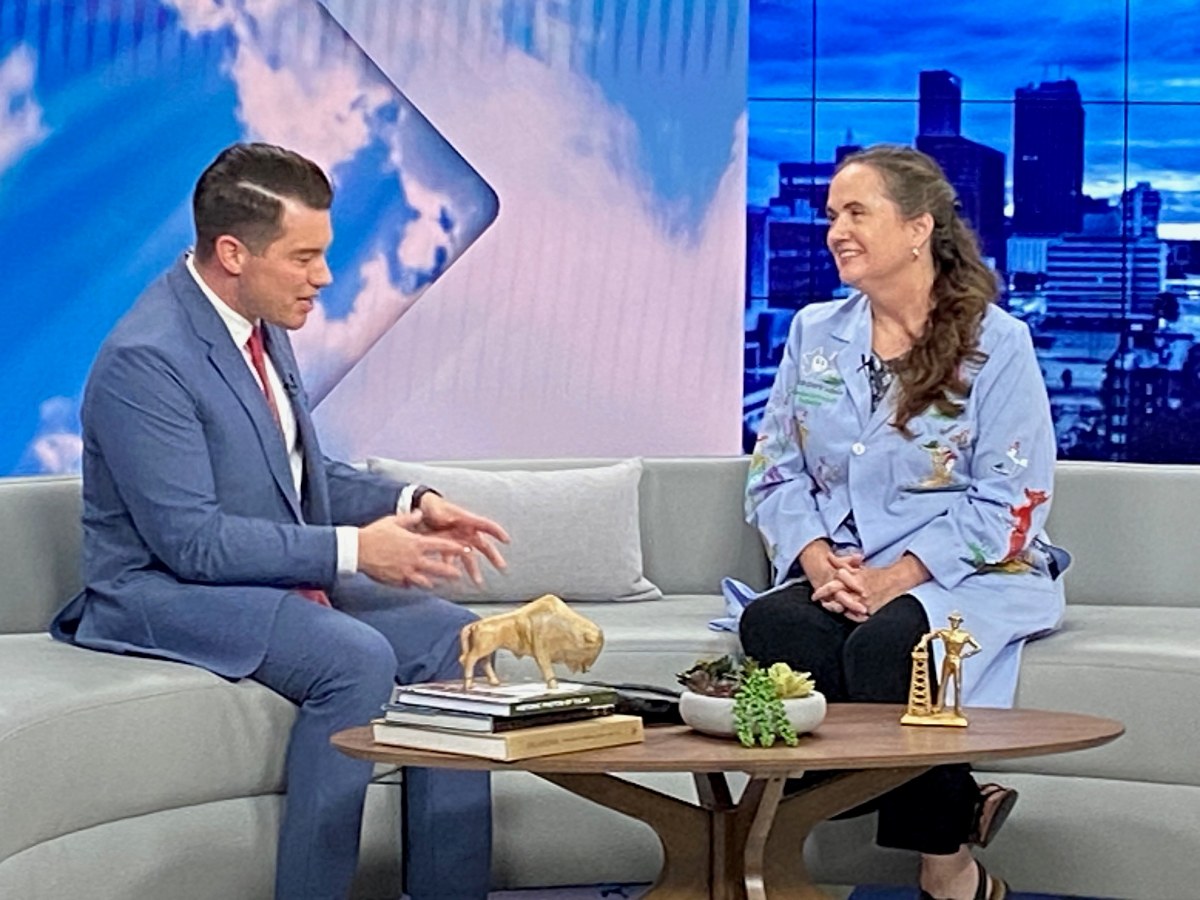
Dr. Theresa Horton with Utica Park Clinic in Owasso discusses a new study examining smartphone ownership and reading comprehension in children.
A new study is raising questions about how early children should get their own smartphones and whether having one could affect learning.
Dr. Theresa Horton with Utica Park Clinic in Owasso said the study was small and more research is needed, but the findings raise an important issue for parents.
Researchers looked at children who owned smartphones and whether they brought them to school or had access to them during a test. Horton said children who owned their own smartphones scored lower on a reading comprehension test, regardless of whether the phones were nearby.
“All children who owned their own smartphone scored lower on the reading comprehension test,” Dr. Horton said.
Dr. Horton said distraction could be one possible factor, but more research is needed to understand the findings.
When should a child get a smartphone?
Dr. Horton said parents may want to delay giving children their own smartphones for as long as possible.
“If they need a phone to get a hold of people, you can still get phones that don’t have Internet access,” Dr. Horton said.
She said a family tablet can also be an option, particularly when parents use it with their children.
“A family tablet would be reasonable and sitting with them so you can play really high-quality educational games together,” Dr. Horton said. “Children learn better when they’re learning with someone.”
It’s about more than screen time
Dr. Horton said parents should also consider how having a personal smartphone could affect a child’s interactions with family and other children.
One concern is that children may spend more time alone on their phones rather than participating in activities that support development.
“It’s about balance, like everything,” Dr. Horton said. “You want time to play outside, you want time to be creative, you want to do art and music and sports, and there’s so much more for a brain to learn.”
Set safeguards before handing over a phone
Dr. Horton said parents should also consider the content and people a child could encounter through a smartphone.
Parents can use parental controls and other safety settings to limit access to inappropriate content, restrict apps and manage who can communicate with their child.
Dr. Horton said guidance on children’s technology use continues to evolve as researchers learn more about smartphones and their effects.
“We are learning as we go along with this. It is a brand new social experiment,” Dr. Horton said.
This story was written by KOTV’s Erin Conrad. You can view the full story online here.