
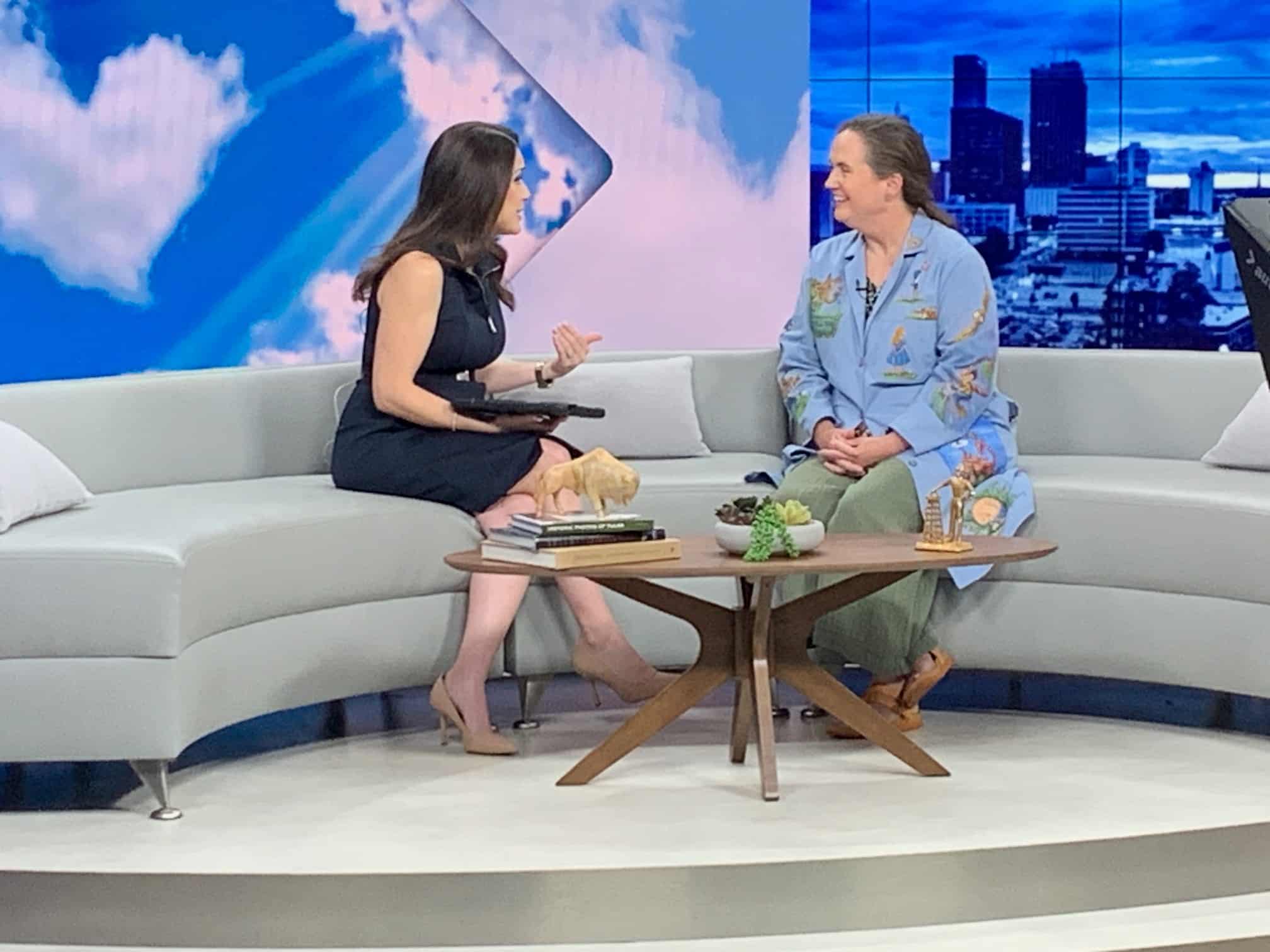
Pediatrician Dr. Theresa Horton with Utica Park Clinic in Owasso joined News On 6 at 4 p.m. to discuss why recess is important for growing children.
Dr. Horton said breaks from classroom learning give children time for cognitive rest, physical activity and social interaction. She said those breaks can help children process new information and develop skills beyond academics.
Q: How can recess help children retain information?
Dr. Horton said children can become overwhelmed when they are continually given new information without breaks.
“But if you give them breaks that are pure free time where they can take cognitive rest, they can do physical activity, it significantly increases their brain’s ability to move the information from short-term memory into long-term memory,” Dr. Horton said.
She said sleep also plays an important role in moving information from short-term to long-term memory.
Q: How does recess build social skills?
Recess also gives children an opportunity to interact with their peers and work through social challenges.
Dr. Horton said recess should be well observed and monitored, but children can benefit from having opportunities to resolve minor difficulties themselves.
“They kind of have to work it out,” Dr. Horton said.
She said letting children decide what they play and how they organize their activities can also help develop leadership skills.
Q: How does recess differ from PE?
Dr. Horton said physical education remains important because children learn physical skills and information about health. But PE is structured and requires active learning.
“Recess is about free time,” Dr. Horton said. “It’s about children being able to have a mental break and choose for themselves what they will do.”
Dr. Horton said that difference is important because recess provides the cognitive rest that structured physical education does not.
Q: Can recess make children more creative?
Dr. Horton said watching children at recess also shows how much creativity can emerge when they have the freedom to choose their activities.
“You go out on a playground on any given day with a bunch of kids, and you see just tons of creativity, too, just lots of little unique creativity and little brains working,” Dr. Horton said.
This story was written by KOTV’s Samantha Rupe and Erin Conrad. You can view the full story online here.